
📋 What to Do If You Get Waitlisted: A Practical Guide for Students
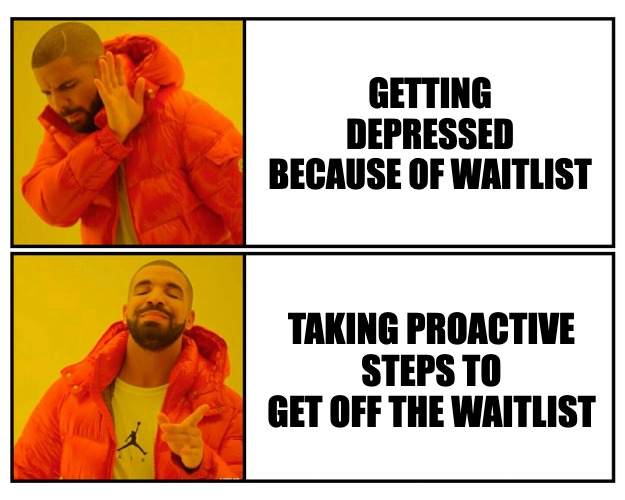
Getting a waitlist notification can feel like being stuck in limbo—not a rejection, but not an acceptance either. It's one of the most emotionally confusing outcomes of the college admissions process. But here's the thing: a waitlist spot is a real opportunity, and how you respond to it matters. Here's what you should do.
💡 Understand What the Waitlist Actually Means
Every school manages its waitlist differently. Some schools admit hundreds of students off the waitlist in a typical year; others admit almost none. Look up the school's Common Data Set (search “[School Name] Common Data Set") and find Section C2, which shows how many students were waitlisted, how many accepted a spot on the list, and how many were ultimately admitted. This gives you a realistic sense of your odds.
Decide If You Actually Want to Stay On It
This sounds obvious, but it's worth reflecting on. Do you genuinely want to attend this school if admitted, or are you holding on out of ego or habit? If it's the latter, it might be healthier (and smarter) to let it go and focus your energy on schools where you've already been accepted. There's no shame in declining a waitlist spot.
If you do want to stay on, formally confirm your spot. Most schools require you to actively opt in to remain on the waitlist, and missing this step removes you from consideration entirely.
📧 Send a Letter of Continued Interest
This is one of the most important things you can do. A Letter of Continued Interest (LOCI) is a brief, sincere message to the admissions office that does three things:
Reaffirms that you genuinely want to attend and will enroll if admitted
Updates them on any meaningful accomplishments since you submitted your application (new awards, grades, projects, or leadership roles)
Explains specifically why this school remains your top choice
Keep it to one page or less. Be specific. Generic enthusiasm won't help you stand out. Reference professors, programs, or campus culture that genuinely excite you. Admissions officers can tell the difference between a mass-produced letter and a thoughtful one.
🙅🏻 Do Not Bombard the Admissions Office
This is a big one, as more and more students (and parents) have demonstrated a desperation to call, email, and even visit the admissions office in hopes of increasing their chances of admission. There's a fine line between showing continued interest and becoming a nuisance. One strong LOCI is appropriate. A second brief update is acceptable if you have a genuinely significant development to share (like winning a major award or finishing a meaningful project). Beyond that, repeated emails and calls will not help your case and may actually hurt it.
Get a Counselor Involved
Ask your high school counselor to contact the admissions office on your behalf. A call or email from a counselor—especially one who can speak to your character, growth, or how you've performed since submitting your application—carries real weight. Admissions offices have relationships with high school counselors, and those connections matter.
Deposit at Another School on Time ⏰
This is critical: do not skip your May 1 enrollment deadline at another school while waiting to hear from your waitlist school. You need a place to land. Deposit somewhere you're genuinely happy about. If you get off the waitlist later, you'll lose that deposit, but that's a small price to pay for keeping your options open. Failing to deposit anywhere is a risky gamble that could leave you without a spot anywhere.
💯 Keep Your Grades Up
Some schools will ask for your final transcript before making a waitlist decision. A strong finish to your senior year signals that you're still as capable as your application suggested — or more so. This isn't the time to coast.
Prepare for Both Outcomes
The hard truth is that most students on most waitlists do not get admitted. Emotionally and practically preparing for that reality isn't pessimism — it's wisdom. At the same time, keep investing in your accepted schools. Attend admitted student days, connect with future classmates, and get genuinely excited about where you're going. Many students who started at their “second choice" school look back years later and can't imagine having gone anywhere else.
🚶🏻Know When to Move On
Waitlists typically resolve between May (if you’re lucky) and July (if you’re not), though some stretch into August (yes, it’s happened to my students in the past). If summer arrives and you haven't heard back, it's reasonable to reach out once for a status update. Eventually, though, you'll need to close that chapter and fully commit to your path. The school you attend is far less important than what you do once you're there.
Getting waitlisted is not a verdict on your worth or your future. It's a moment that calls for grace, strategy, and resilience—all of which are qualities that will serve you well in college and long after. 💪